

The aviation sector faces a huge challenge: drastically reducing CO₂e emissions. Despite ambitious goals from governments and the industry, structural solutions have yet to materialize. The reliance on biofuels (SAF-B) is insufficient, while truly sustainable alternatives such as synthetic fuels (e-fuels) and electric flight are not yet being developed on a large scale.
Investing in aviation innovation
If we truly want to make the aviation sector sustainable, we must look beyond biofuels and invest in innovative solutions. The Future Friendly Fund is committed to developing emission-free aviation technology and breakthrough innovations that accelerate the transition to sustainable flight.
Why Biofuels Are Not a Solution
Sustainable Aviation Fuel made from biomass (SAF-B) is often presented as the solution for cleaner flying. But the reality is different:
- Distracts from the real solution: The focus on biofuels creates the impression that we can continue flying without change, while the real solution lies in short-term behavioral change (flying less) and accelerating truly sustainable innovations, such as synthetic fuels and emission-free aircraft in the long term.
- Lack of availability: Global SAF production is less than 0.3% of what is needed to make the aviation sector sustainable. Scaling up is not happening fast enough.
- Sustainability issues: Most SAF-B is made from animal fat and plant residues. This contributes to deforestation and biodiversity loss.
- Still harmful emissions: SAF-B reduces CO₂ emissions by 50 to 80%, but will never be completely emission-free.
E-fuels: Sustainable Solution with Obstacles
Synthetic fuels (e-fuels) offer a promising alternative. They are produced from hydrogen and CO₂ and can drastically reduce the CO₂e emissions of aircraft. However, investments in this technology lag, meaning scaling up is barely getting off the ground.
The problem? The production of e-fuels is expensive and requires enormous amounts of green energy. Without financial support and innovation, this technology remains out of reach for commercial aviation.
The Future Friendly Fund aims to change this by investing in research and development of e-fuels and other breakthrough innovations in aviation.
Electric flight for short distances
Research by CE Delft shows that battery-electric flight has the lowest climate impact for flights up to 1000 kilometers. Due to its high efficiency and the absence of non-CO₂ effects, electric flight is up to 70 percent cleaner than kerosene and much more economical than hydrogen or e-fuels. With enough green electricity, electric flight can even be comparable to train travel. More investment is needed to make this breakthrough possible, and the Future Friendly Fund is eager to contribute to it.
Why Invest in Sustainable Aviation Innovation?
Many promising aviation innovation projects fail or never get off the ground due to a lack of funding. Startups and sustainable companies struggle to scale up, while airlines and oil companies continue to rely on cheap and polluting fuels. This creates an unfair playing field where sustainable alternatives do not get the chance to grow.
The Future Friendly Fund breaks this vicious cycle by providing capital for groundbreaking innovations.
Projects we invest in
-
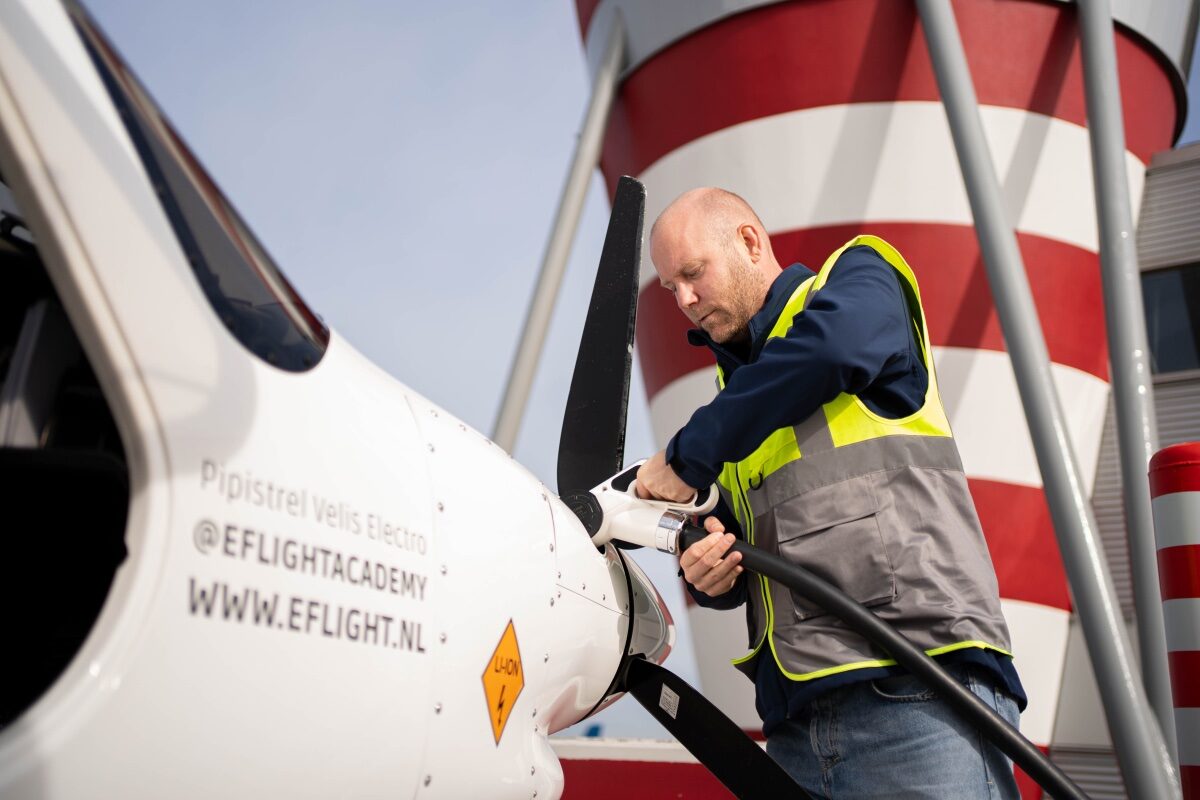
NRG2fly
Bouwen aan een Europees laadnetwerk voor elektrisch vliegen
-
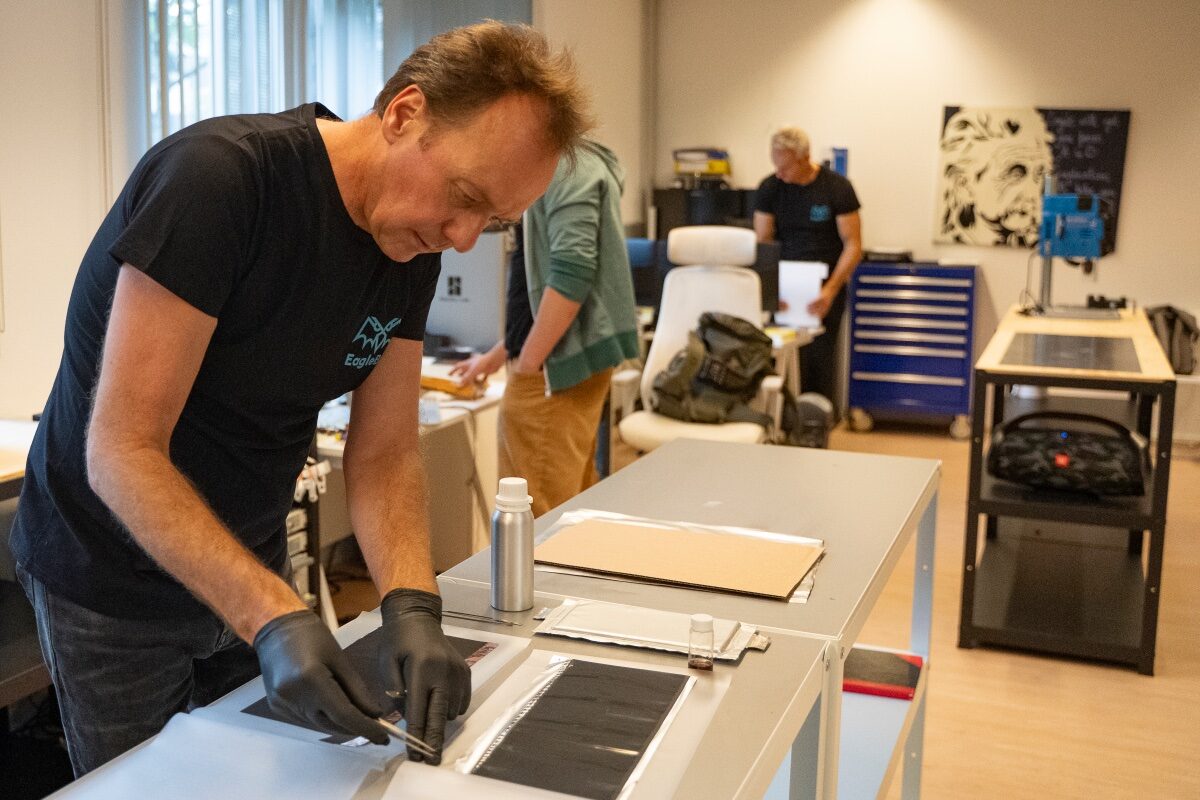
EagleBAT
Developing circular, lightweight batteries for electric aircraft.
-

Clearwings
Working on new technology for cleaner and quieter aviation.
The